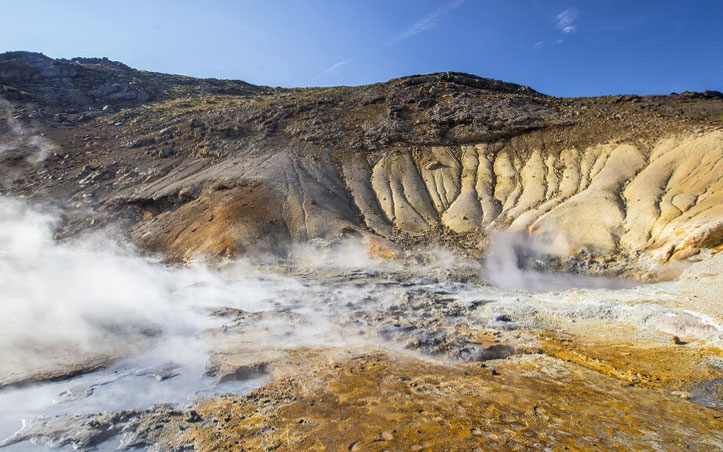
Introduction: The Hidden Power Beneath Our Feet
When we talk about renewable energy, solar and wind often steal the spotlight. But deep beneath the Earth's surface lies a silent giant: hydrothermal energy. Unlike its more famous counterparts, hydrothermal energy harnesses the Earth's internal heat to generate power, offering a reliable, baseload energy source that doesn't depend on the sun shining or the wind blowing. Yet, despite its immense potential, hydrothermal energy remains largely untapped. Why? And what can we do to change that?
Hydrothermal energy is a form of geothermal power that utilizes heat from the Earth's crust to produce electricity. Unlike traditional geothermal systems, which require high-temperature reservoirs (typically above 150°C), hydrothermal systems can operate at lower temperatures (as low as 80°C) using advanced technologies like binary cycle power plants. This makes hydrothermal energy viable in regions previously deemed unsuitable for geothermal energy.
The Science Behind Hydrothermal Systems
At its core, hydrothermal energy relies on the natural heat flow from the Earth's interior. Water or other fluids are pumped into subsurface reservoirs, heated by geothermal gradients, and then brought back to the surface as steam or hot water. This heat is used to drive turbines and generate electricity. Binary cycle plants, which use a secondary fluid with a lower boiling point than water, are particularly efficient at converting low-temperature heat into power.
Global Potential: Where the Heat Lies
The global potential for hydrothermal energy is staggering. Regions along tectonic plate boundaries, such as the East African Rift Valley, the Ring of Fire in the Pacific, and the volcanic zones of Iceland and Indonesia, are prime candidates. For example, Kenya's Olkaria geothermal plant already generates over 800 MW of electricity, powering hundreds of thousands of homes. Yet, this is just the tip of the iceberg.
Challenges: Why Hydrothermal Energy Isn't Everywhere (Yet)
Despite its potential, hydrothermal energy faces significant barriers:
Technological Complexity
Binary cycle plants and other advanced systems are still evolving, with room for efficiency improvements.
Regulatory and Policy Gaps
Many countries lack clear frameworks to support hydrothermal projects, deterring investors.
Environmental Concerns
While hydrothermal energy has a small footprint compared to fossil fuels, improper drilling can lead to land subsidence or seismic activity.
Fortunately, innovation is addressing many of these challenges. Advances in drilling technology, such as directional drilling and enhanced geothermal systems (EGS), are reducing costs and expanding the geographic reach of hydrothermal projects. Meanwhile, hybrid systems that combine geothermal with solar or wind power are emerging as a way to provide stable, round-the-clock energy.
The Investment Opportunity
For investors, hydrothermal energy offers a compelling proposition. Unlike solar and wind, it provides baseload power, ensuring stable returns. Governments are also increasingly offering incentives, such as tax credits and feed-in tariffs, to encourage development. However, due diligence is critical. Investors must assess geological risks, regulatory environments, and project timelines carefully.
The Role of International Collaboration
Unlocking hydrothermal energy's full potential requires global cooperation. Initiatives like the Geothermal Risk Mitigation Facility (GRMF) and the International Geothermal Association (IGA) are playing a crucial role by providing funding, technical assistance, and knowledge-sharing platforms. Public-private partnerships are also essential to de-risk projects and attract capital.
High Upfront Costs
Exploration, drilling, and infrastructure development require substantial investment.