Off-Grid Solutions for Underserved Communities:
A Case Study

Over 840 million people worldwide still live without access to electricity, primarily in rural and remote areas of sub-Saharan Africa, Asia, and Latin America. For these communities, the lack of power isn't just an inconvenience - it's a barrier to education, healthcare, economic opportunity, and safety. Off-grid renewable energy solutions, however, are changing the game. This article explores how decentralized solar, wind, and micro-hydro systems are transforming lives in underserved communities, using real-world case studies to illustrate their impact.

Traditional grid infrastructure is often too costly and logistically challenging to extend to remote villages. In many cases, the population density is too low to justify the investment, leaving communities reliant on expensive and polluting alternatives like diesel generators, kerosene lamps, and wood fires. These sources are not only harmful to health and the environment but also financially draining for families already living on less than $2 a day.

Off-grid renewable energy systems offer a viable alternative. These systems typically include:


Solar Home Systems (SHS) Small-scale solar PV setups that power lights, phones, and small appliances.

Solar Microgrids Larger systems that distribute electricity to multiple households or a village, often including battery storage for 24/7 power.

Micro-Hydro Systems Small hydropower plants that harness energy from rivers or streams, suitable for communities near water sources.

Wind-Solar Hybrids Combined systems that maximize energy production by leveraging both wind and solar resources.

Community Engagement

Involving local communities in planning, implementation, and management fosters ownership and ensures solutions meet their needs.

Affordable Financing

PAYG models, microloans, and subsidies make off-grid systems accessible to low-income households.

Scalability

Modular designs allow systems to be expanded as demand grows or funding becomes available.

Local Capacity Building

Training locals in installation and maintenance reduces long-term costs and creates jobs.

High Upfront Costs: While costs have fallen, initial investments remain a barrier. Grants, subsidies, and impact investments can bridge the gap.

Technical Maintenance: Remote locations often lack skilled technicians. Training programs and partnerships with local vocational schools can address this.

Policy Gaps: Many governments lack clear policies for off-grid energy. Advocacy and international collaboration can drive regulatory support.

Off-grid renewable energy does more than provide electricity - it transforms lives. It enables children to study at night, empowers women to start businesses, and allows clinics to provide better healthcare. It also reduces greenhouse gas emissions, replacing fossil fuels with clean energy.

Solar Microgrids in Tanzania

Case Study 01.

In rural Tanzania, where only 37% of the population has access to electricity, solar microgrids have become a lifeline. One standout project is the Maji Moto microgrid, implemented by the company PowerGen.

The Project: PowerGen installed a 60-kW solar microgrid in the village of Maji Moto, serving 300 households, two schools, and a health clinic. The system includes a battery storage unit to ensure power availability at night and during cloudy days.

Impact:
Households saved $10-$15 per month by replacing kerosene and diesel with solar power.

Students' study time increased by 2-3 hours daily, thanks to electric lighting.

The health clinic now powers medical equipment and refrigerates vaccines safely.

Financing: The project was funded through a combination of grants, impact investments, and a pay-as-you-go (PAYG) model, where customers pay $0.20-$0.50 per day for electricity.

Micro-Hydro in Nepal

Case Study 02.

In the mountainous regions of Nepal, where grid connectivity is nearly impossible, micro-hydro systems have been a game-changer. The Prawattik micro-hydro project in the village of Dhungesangu is a prime example.

The Project: A 50 kW micro-hydro plant was installed on a nearby river, providing electricity to 120 households, a school, and a community center. The system was designed and built with local labor, creating jobs and fostering ownership.

Impact:

Households switched from kerosene lamps to electric lighting, reducing fire risks and indoor pollution.

The school introduced computers and printers, improving the quality of education.

Local businesses, such as grinding mills and mobile charging stations, emerged, boosting the local economy.

Sustainability: The project is managed by a community cooperative, ensuring long-term maintenance and affordability.

Wind-Solar Hybrid Systems in Kenya

Case Study 03.

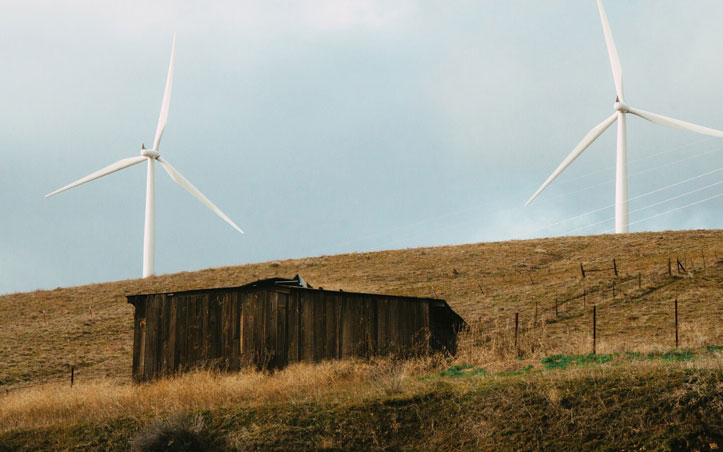
In northern Kenya's arid regions, where wind and solar resources are abundant, hybrid systems are proving highly effective. The Marsabit Wind-Solar Project is a pioneering initiative.

The Project: : A 20 kW wind turbine and a 10-kW solar array were installed in the remote village of Loiyangalani, providing electricity to 50 households and a local market.

Impact:
The market now operates refrigeration units, allowing vendors to sell perishable goods like meat and dairy.

Households use electric cookers, reducing reliance on firewood and charcoal, which were causing deforestation.

The village established a charging station for mobile phones and electric bikes, generating additional income.

Community Involvement: Villagers were trained in system maintenance, ensuring sustainability and creating local jobs.

Conclusion

Lighting the Wav Forward

Off-grid renewable energy solutions are not just a stopgap measure - they are a sustainable pathway to development for underserved communities. By combining innovative technology, inclusive financing, and community-driven approaches, we can bring power to the most remote corners of the world.